Updates, workshops, publications, and milestones from the JKUAT Social Robotics Lab.
July 27, 2026
JKUAT
JKUAT Hosts Regional HCI Workshop to Advance Research and Mentor Emerging Scholars
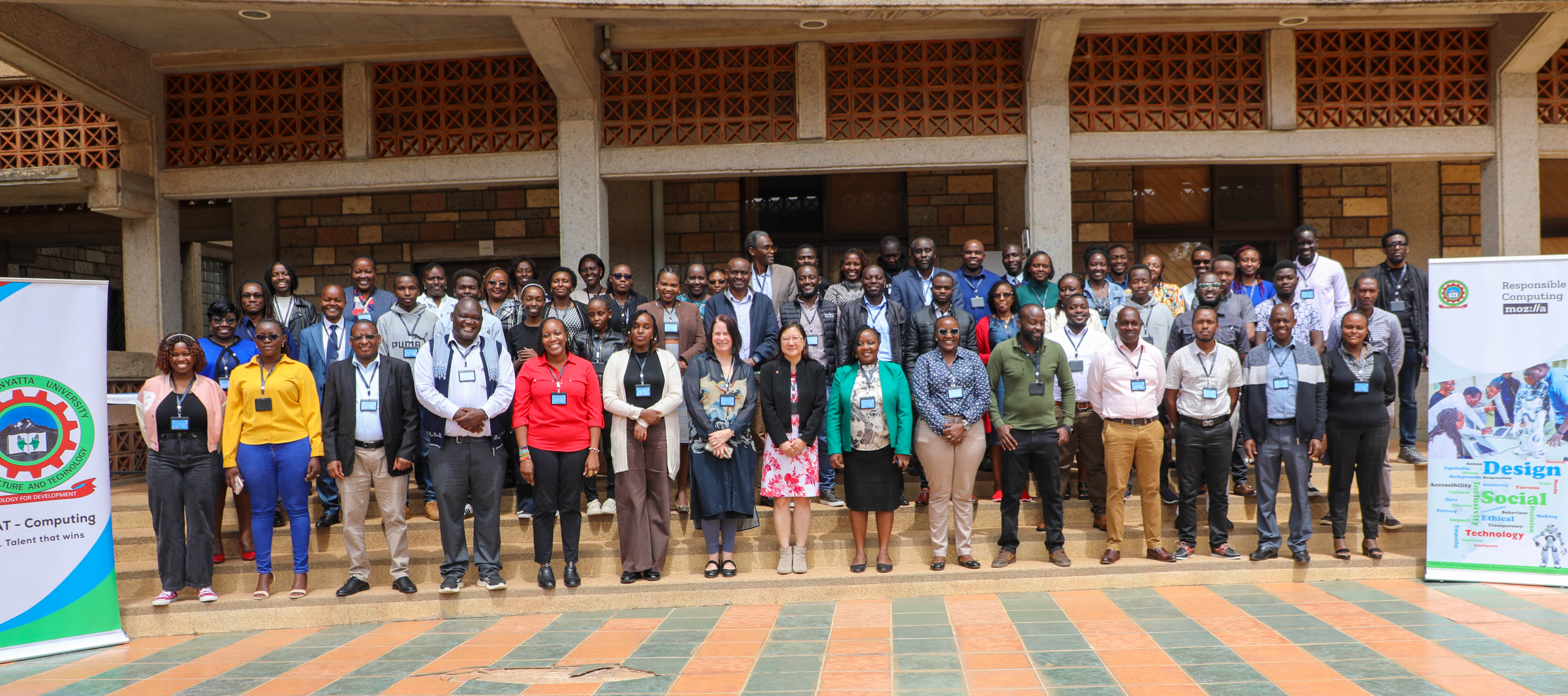
JKUAT hosted a two-day Human-Computer Interaction (HCI) Workshop on 22–23 July 2026, bringing together researchers, faculty, postgraduate students, and industry experts from JKUAT, PAUSTI, Moi University, and USIU-Africa. Sessions spanned UX, AI, accessibility, and inclusive digital solutions, with students presenting research and receiving mentorship from academics and industry professionals including Microsoft Research Africa.
Final Year Students Share Their Social Robotics Lab Experience
At the JKUAT Social Robotics Lab, students engage in cutting-edge research and innovation in human-centered robotics. In this video, they share their experiences in shaping technologies that prioritize inclusivity, ethics, and real-world impact..
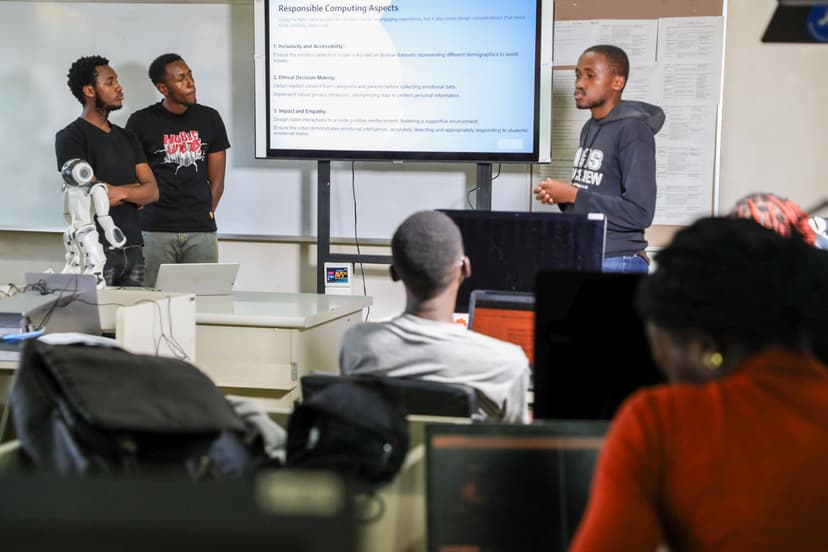
Workshop inducts SCIT students on Responsible Computing
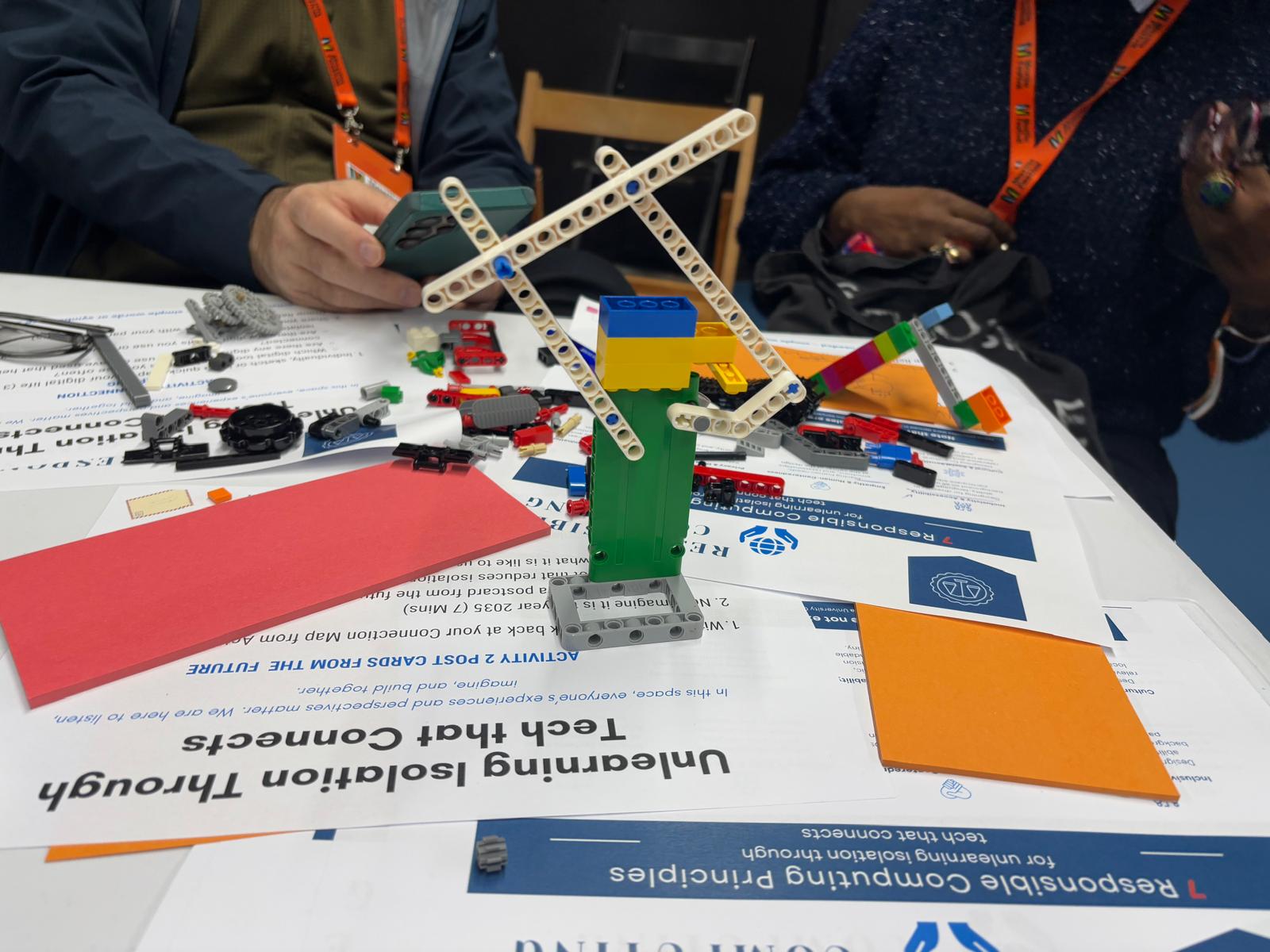
The School of Computing and Information Technology (SCIT) at Jomo Kenyatta University of Agriculture and Technology held a workshop on responsible computing to guide final-year students in designing ethical, inclusive, and socially responsible digital systems.
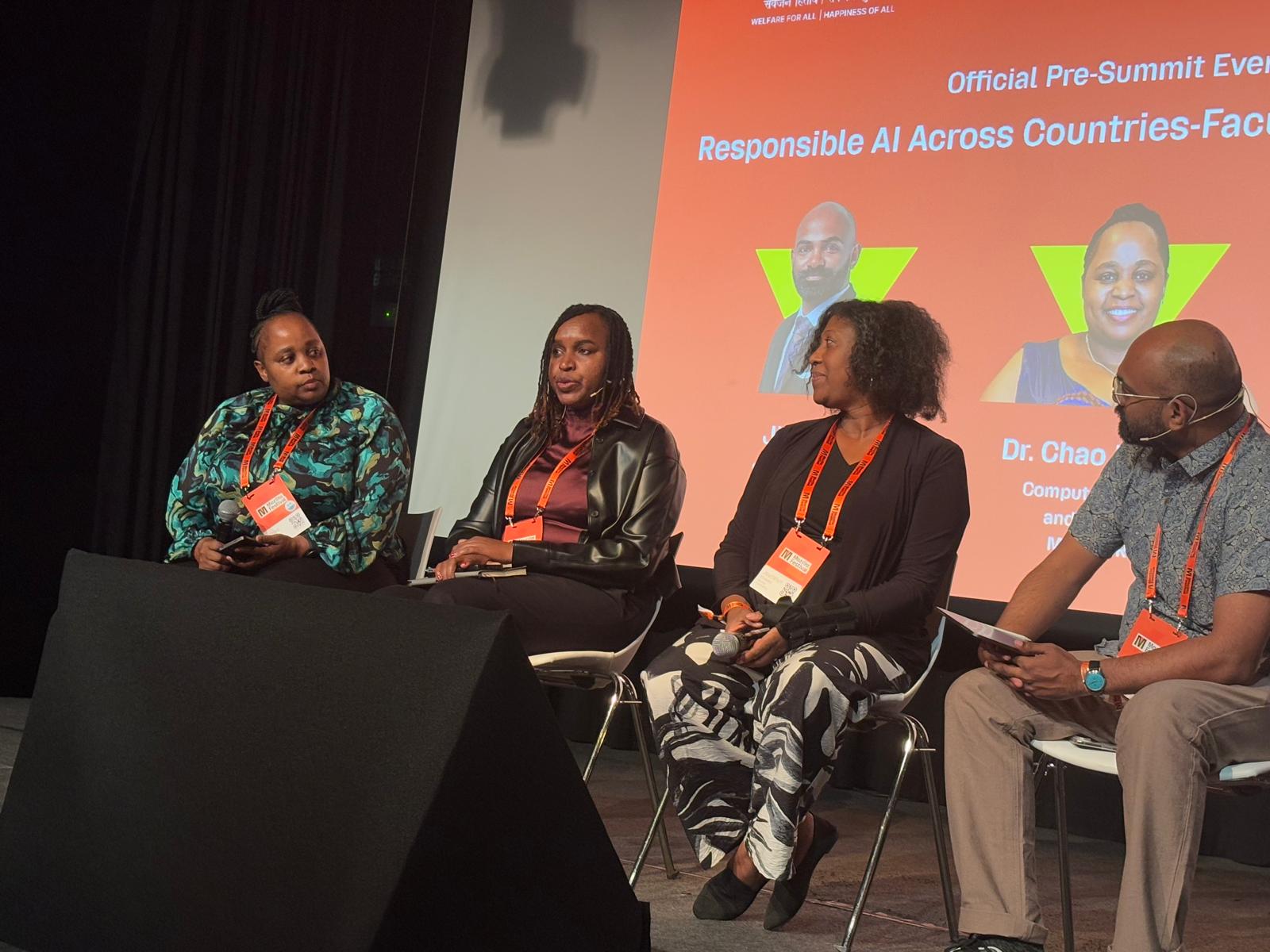
Dr. Eunice Njeri joins a panel discussion at Mozilla Festival 2026 - Official Pre-Summit Event
Dr. Eunice Njeri will be joining a panel discussion at the Mozilla Festival 2026 - Official Pre-Summit Event. The event will be held in Barcelona, Spain from 11th to 13th of November 2026. The event is a pre-summit event for the Mozilla Festival 2026, which will be held in Barcelona, Spain from 11th to 13th of November 2026.
Our paper titled 'Human Fall Detection Using An Ensemble Deep Learning Integrated With a Social Robot' has been accepted to the IEEE AFRICON 2025 conference!
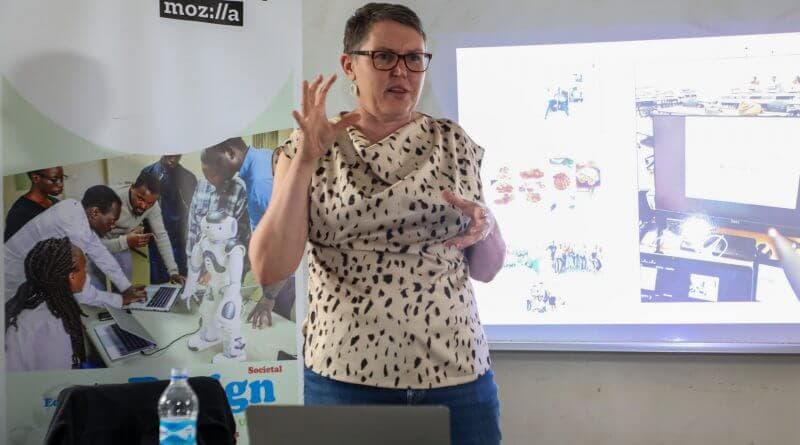
JKUAT hosted a workshop on Integrating Responsible Computing in Teaching and Student Projects, attracting more than 60 participants including researchers, students, and staff. The event featured keynote by Dr. Jacki O'Neill (Director of Microsoft Research Africa).
How Margaret uses Pepper robot to make speech therapy accessible & personal
Margaret Gichuhi, a Master's student in Software Engineering, is developing a prototype AI-driven speech therapy solution tailored for children with Autism Spectrum Disorder (ASD). Her research explores how social robots, when integrated with generative AI (GPT, DALL·E, and Whisper), can transform therapeutic approaches by delivering structured and responsive sessions using Pepper, a humanoid robot. Supervised by Dr. Eunice Njeri and Prof. Stephen Kimani.
Integrating AI with Social Robots to support children with ASD
By programming Pepper to interact in predictable, non-judgmental ways, the system provides comfort and structure, qualities that children with ASD respond well to.
Integrating Robotics Training into JKUAT's Computer Science Curriculum
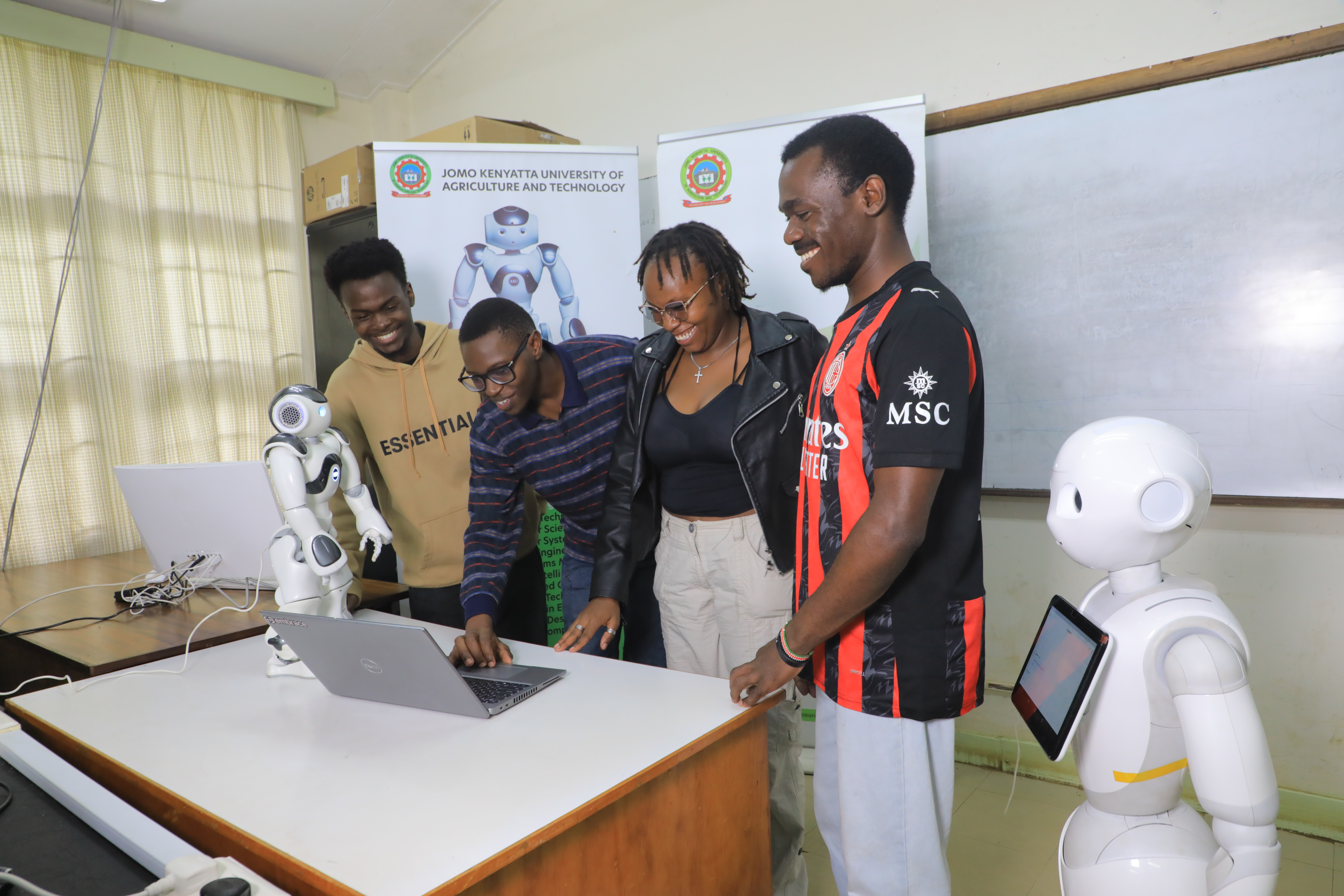
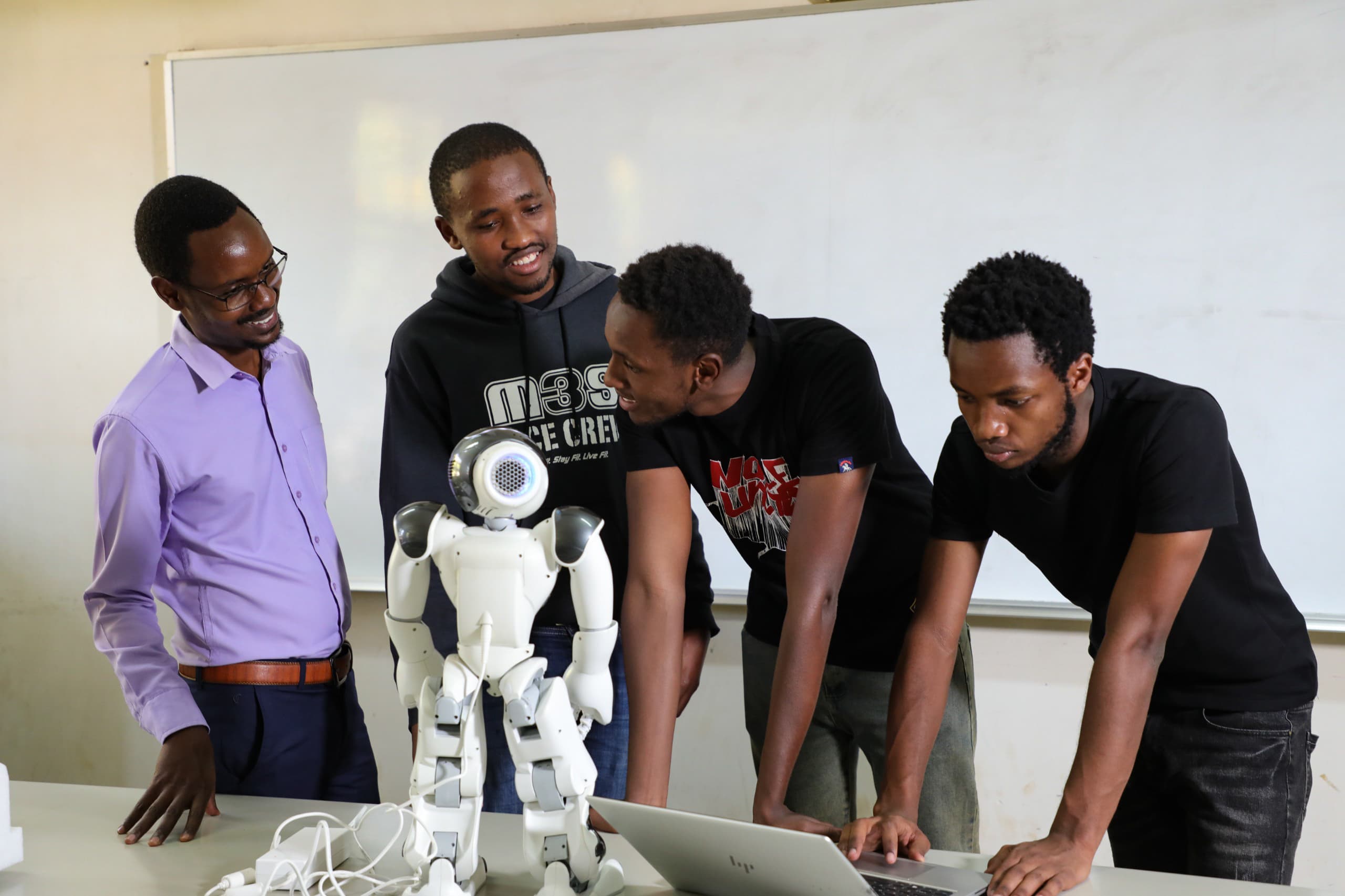
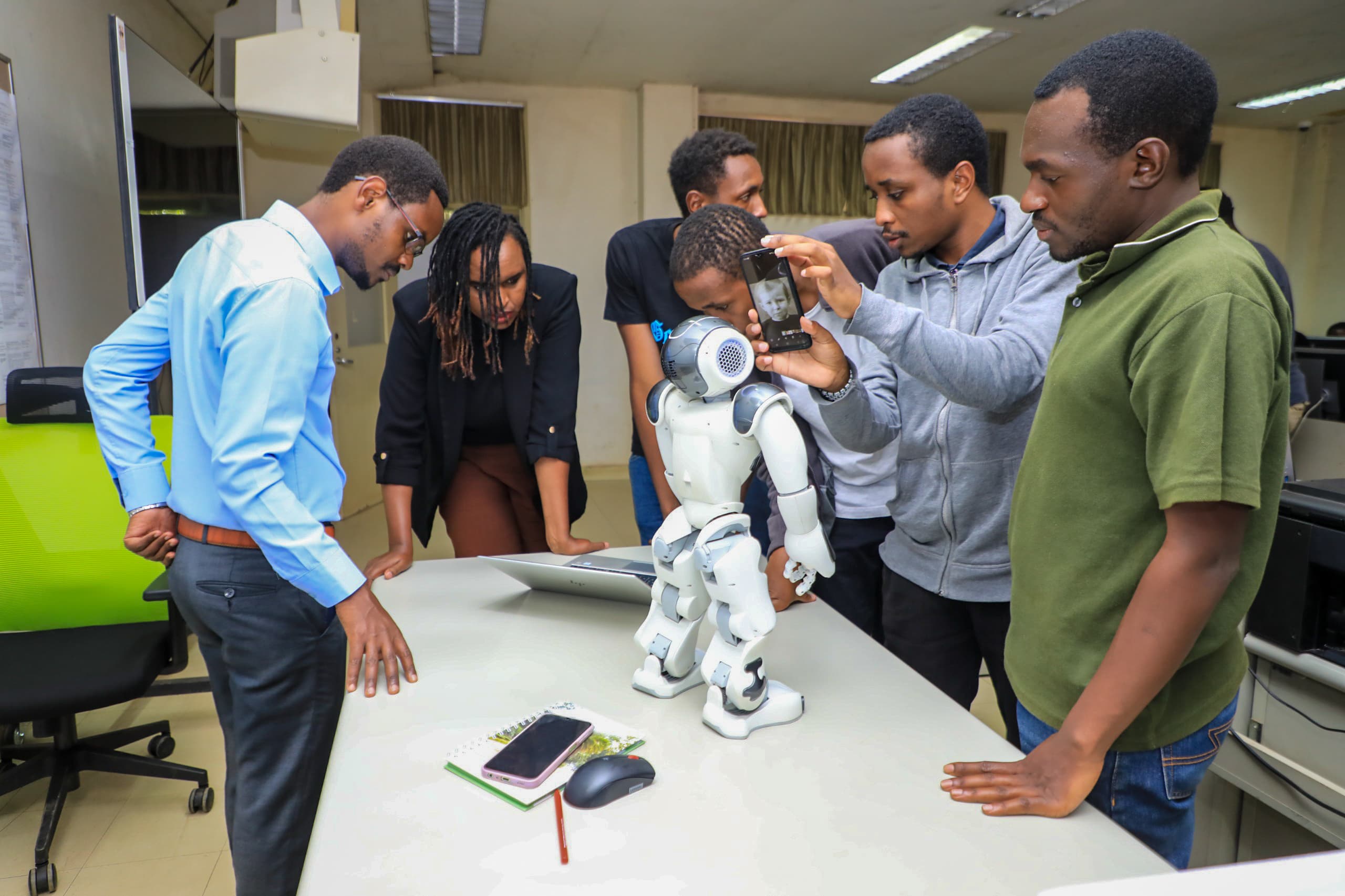
The School of Computing and Information Technology at JKUAT has established the Social Robotics Lab, a pioneering initiative dedicated to advancing robotics research and innovation. Led by Dr. Eunice Njeri, the lab focuses on developing robots capable of engaging in social interactions within human environments.
2024 TWAS Skill Building Workshop in Dakar, Senegal
Dr. Eunice was among the participants at the TWAS event, which focused on enhancing the scientific skills of African scientists, establishing networks, and building interdisciplinary collaborations to foster a stronger and more connected scientific community across the continent.
Mozilla Responsible Computing Challenge (RCC) Global Conference
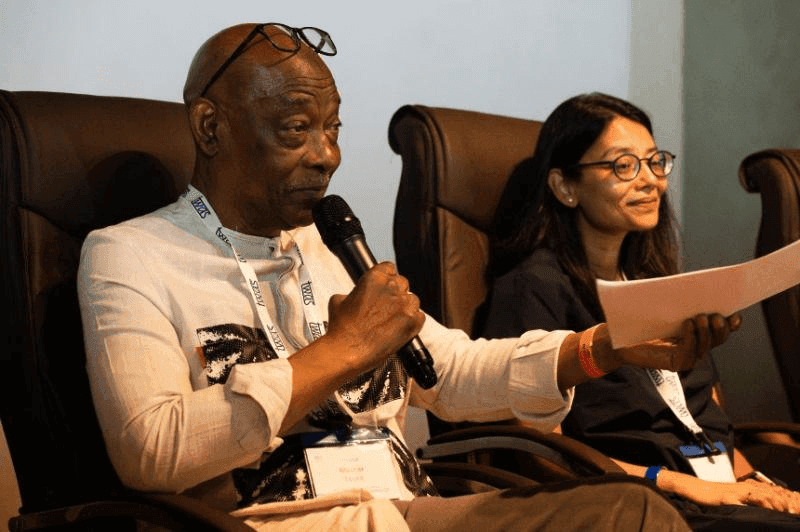
Dr. Eunice participated in the inaugural Mozilla Responsible Computing Challenge (RCC) Global Conference held in Kottayam, India supported by the Mozilla Foundation and USAID. The Conference brought together academicians and researchers from Kenya, India, and the United States.
Integrating African Perspectives in Technology and Design Processes
Without integrating African perspectives into technology and design, we severely undercut the potential for solutions that meet cultural norms and empower locally raised innovations to address universal solvable problems.
JKUAT Social Robotics Lab showcases their work at the National Research Festival
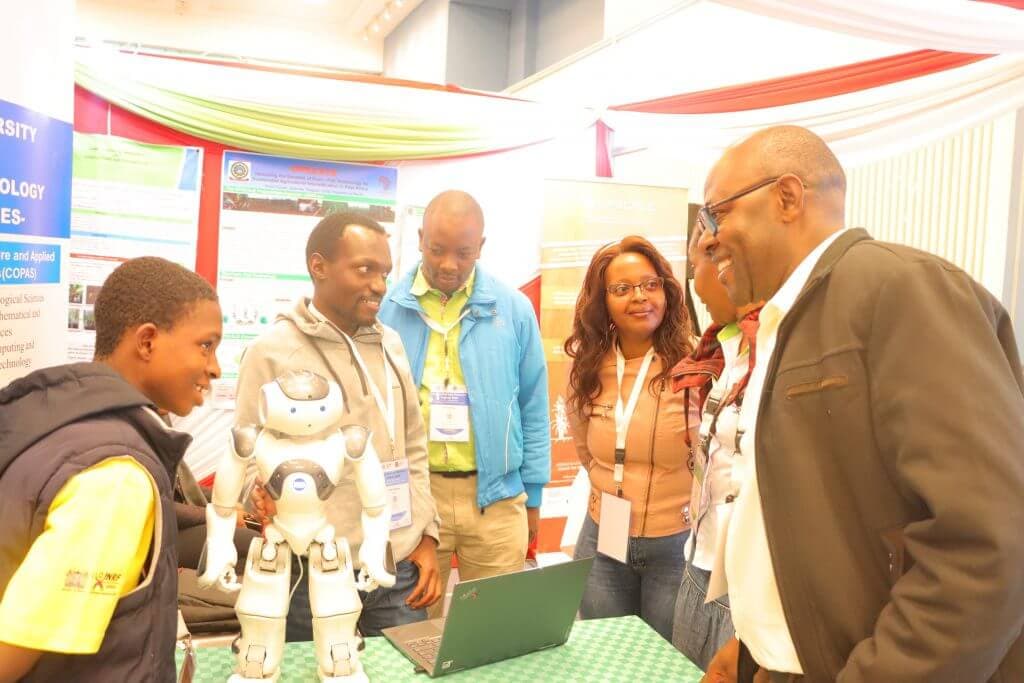
The Lab participated in the National Research Festival, a premier event showcasing groundbreaking research and innovations. This festival was an excellent opportunity for MSc students to present their research, network with peers and industry experts.
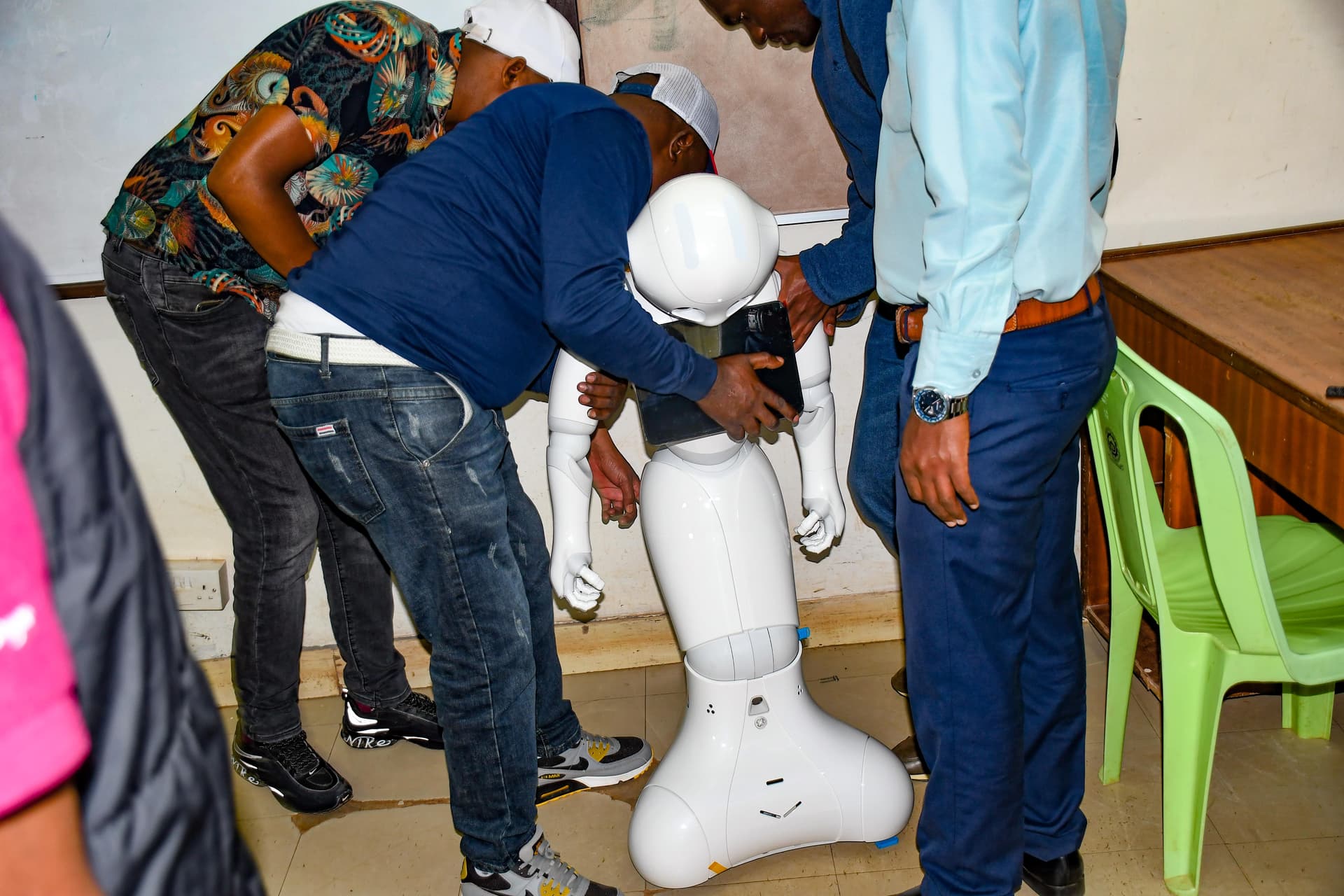
We are thrilled to announce the arrival of our very first Pepper robot at the JKUAT Social Robotics Lab! Pepper is a state-of-the-art humanoid robot developed by SoftBank Robotics, with advanced sensing capabilities in human-robot interaction. It can recognize faces, interpret emotions, and engage in conversations, making it an ideal platform for exploring the future of social robotics research.
April 5, 2024
JKUAT
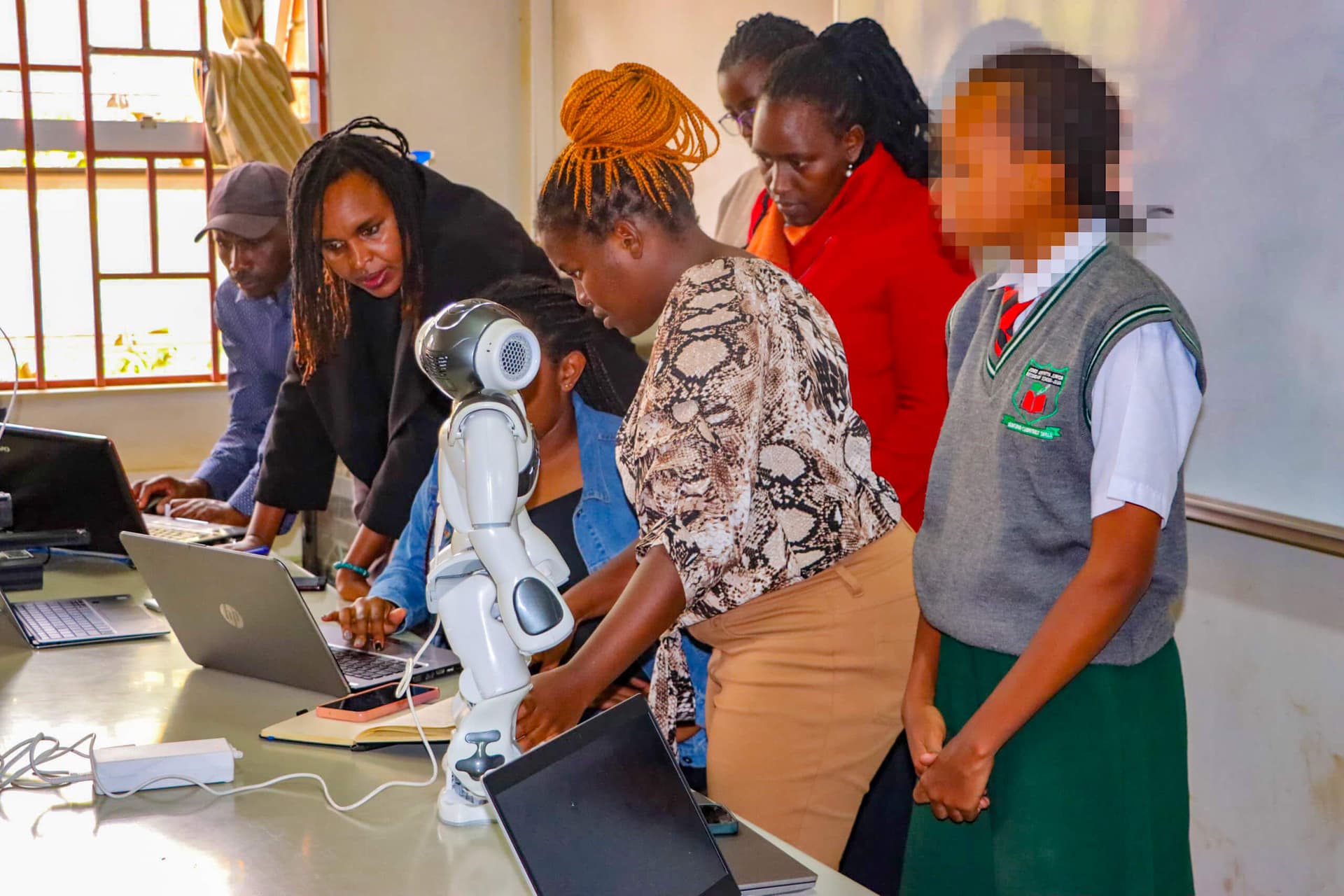
Girls In ICT - JKUAT
The enduring perception, mostly, stereotypical, that girls are not well adopted to pursue courses and careers in science, technology, engineering and mathematics (STEM) has stopped many girls from enrolling into STEM subjects. To unroll this practice, Jomo Kenyatta University of Agriculture and Technology has launched a strategic initiative designed to empower and woo young women enrolled in the Competency-Based Curriculum (CBC) system, guiding them toward Science, Technology, Engineering, and Mathematics (STEM) careers.
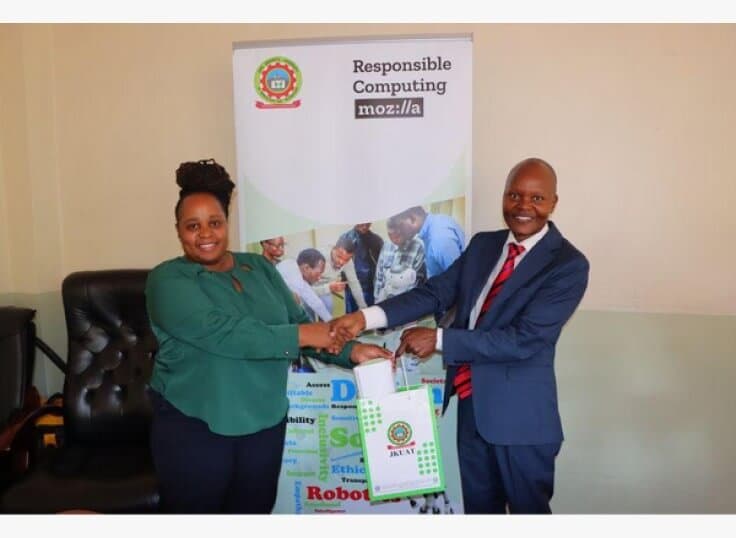
Mozilla pledges to support JKUAT in training to enhance Responsible Computing (RCC) capacity
During a visit to the university on Wednesday, February 28, 2024, Dr. Mbogho revealed developments stemming from JKUAT's successful acquisition of two Mozilla grants: Teaching Responsible Computing Using Robotics and Mainstreaming Responsible Computing in ICT Student Innovations.
Integrating ethical perspectives within robotics curriculum
JKUAT is successfully cultivating the core values of RCC by introducing undergraduates to ethical perspectives within BSc Computer Science and BSc Technology courses. Their goal? Equipping the next generation of tech builders with the critical skills to develop more inclusive, healthier, and safer digital tools.